
Nose Job Turkey: Cost, Safety and Recovery

On this page
- What is a nose job in Turkey?
- Why is a nose job cheaper in Turkey?
- How much is a nose job in Turkey?
- Am I suitable for rhinoplasty in Turkey?
- Rhinoplasty techniques: open, closed, piezo and preservation
- What happens during the procedure?
- How long do you stay in Turkey for a nose job?
- Recovery and aftercare timeline
- Aftercare when you get home
- Is it safe to get a nose job in Turkey?
- How to choose a surgeon: questions to ask before you book
- Nose Job Turkey FAQ
A nose job in Turkey is rhinoplasty surgery, usually booked as a package with hospital, hotel and transfers. Most packages cost about £1,800 to £5,200 ($2,400 to $7,000). Plan to stay 7 to 10 days. Results depend on the surgeon you choose and on the aftercare you arrange at home.
- A nose job in Turkey usually costs less than half of a private UK or US quote.
- The operation takes 1.5 to 3 hours under general anaesthetic.
- The splint comes off after about a week, before you fly home.
- Swelling can take six months to settle, and the final shape up to a year.
- Safety depends on the surgeon, the hospital and your follow-up plan, not on the country.
Every year, thousands of patients from the UK and the US choose rhinoplasty in Turkey, most of them in Istanbul. The price is the first thing they notice. The questions come next. Is it safe? Who checks on me when I get home? What happens if I am not happy with the result? This guide answers those questions in plain language, so you can decide with clear facts.
What is a nose job in Turkey?
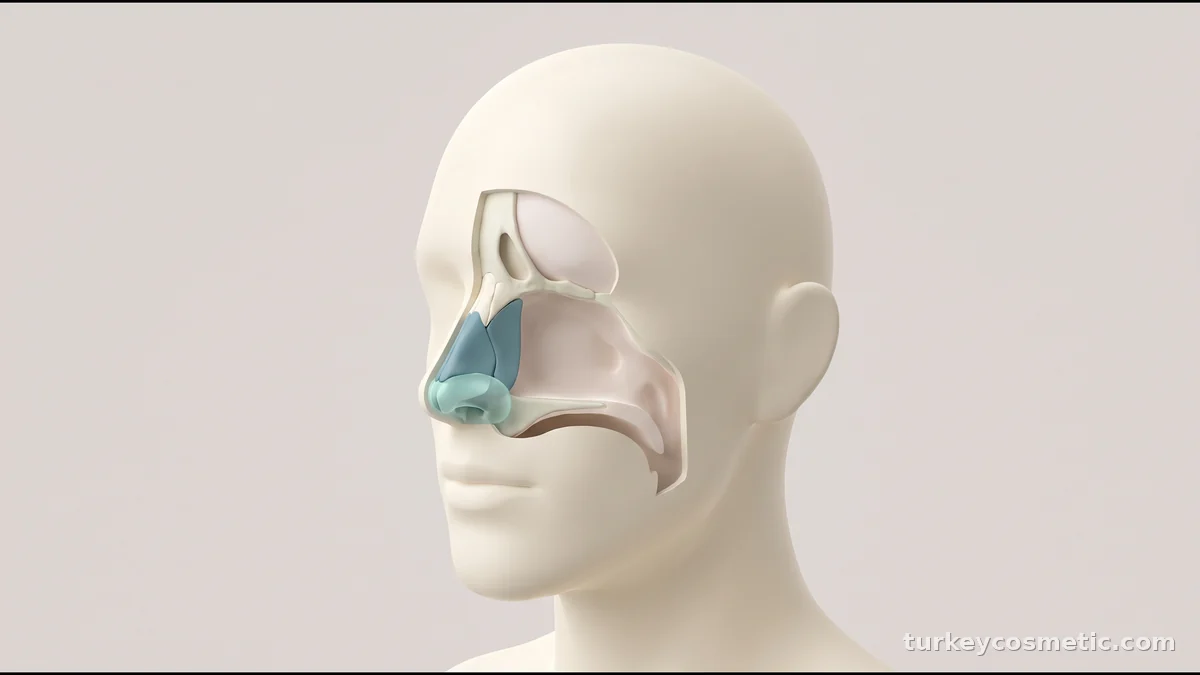
A nose job in Turkey is the same operation as rhinoplasty anywhere else. The surgeon reshapes the bone and cartilage of the nose to change its size, profile or tip. The difference is how it is organised. Clinics sell it as a package, so surgery, hospital, hotel and transfers are arranged together for patients from abroad.
Rhinoplasty can be cosmetic, functional or both. Cosmetic surgery changes how the nose looks. It can smooth a dorsal hump, which is the bump on the bridge, or refine a wide tip. Functional surgery helps you breathe. The most common example is septoplasty, which straightens a deviated septum. The septum is the thin wall between the nostrils. When both are done together, it is called septorhinoplasty.
Why is a nose job cheaper in Turkey?
A nose job is cheaper in Turkey because running costs are lower, not because the operation is different. Staff wages, hospital fees and rents cost less than in London or New York. The exchange rate also favours patients paying in pounds or dollars. Surgeons who operate on many noses each week can keep their fees lower.
A low price is not a warning sign by itself. A price far below the usual range is. Very cheap offers often leave out the hospital night, the tests or the follow-up visits. Always ask what the nose job cost you are quoted covers, and ask for it in writing.
How much is a nose job in Turkey?
Most packages for rhinoplasty in Turkey cost about £1,800 to £5,200, or $2,400 to $7,000. That range usually covers the surgery, anaesthetic, one hospital night, hotel and transfers. Flights are extra. Your own nose job cost depends on the technique, the surgeon’s experience and whether you need breathing work or a revision.
Nose job cost: Turkey vs UK and US
The Turkish figure is a package. The UK and US figures leave out several costs
These figures are not like for like. Ask for a personal written quote.
These figures are not like for like. The Turkish range is a package. The UK and US figures leave out several costs. Add your flights, extra hotel nights and time off work before you compare. Ask for a personal written quote, because no table can price your nose.
What a rhinoplasty package includes
A typical package for rhinoplasty in Turkey includes:
- Consultation and planning with the surgeon
- Blood tests and an anaesthetic check
- The operation and one night in hospital
- Five to seven hotel nights
- Airport, hotel and hospital transfers
- Medication, splint removal and a final check before you fly
Flights, travel insurance and extra nights are usually not included. If a payment plan matters to you, ask before you book. Some clinics accept staged payments, and the terms should be written down.
Am I suitable for rhinoplasty in Turkey?
You are likely to be suitable if you are over 18, in good general health and clear about what you want to change. Your face should have finished growing. You also need realistic expectations. Surgery can improve the shape of your nose, but it cannot give you someone else’s nose.
Your surgeon may advise you to wait if you:
- smoke and cannot stop for several weeks before and after surgery
- have an infection or a cold on the day
- take medicines that raise the risk of bleeding
- have a health condition that is not well controlled
- had nose surgery less than a year ago
Thick skin, a previous injury or an earlier operation do not rule you out. They do change the plan, so mention them at your first consultation.
Rhinoplasty techniques: open, closed, piezo and preservation
There is no single best technique. The right one depends on your anatomy and on what needs to change. A good surgeon explains why a method suits your nose, and does not sell one method to every patient.
Open, closed or piezo rhinoplasty?
The right technique depends on your anatomy and on what needs to change
Your surgeon confirms the technique after examining your nose.
Preservation rhinoplasty is a fourth option. The bridge is lowered while its natural structure is kept in place. It suits selected patients with a hump and a good natural shape.
Other terms you may hear are tipplasty, which reshapes only the nasal tip, and ethnic rhinoplasty, which respects the features of your background. Revision surgery corrects an earlier operation. It is harder than a first operation and may need a cartilage graft from the ear or rib.
What happens during the procedure?
Rhinoplasty takes 1.5 to 3 hours under general anaesthetic, so you are asleep throughout. Most patients stay one night in hospital. The steps are much the same in every good clinic:
- Consultation. You meet the surgeon who will operate. Photos are taken, and many surgeons show a side-profile simulation.
- Tests. Blood tests and an anaesthetic review confirm you are fit for surgery.
- Anaesthetic. An anaesthetist puts you to sleep and stays with you.
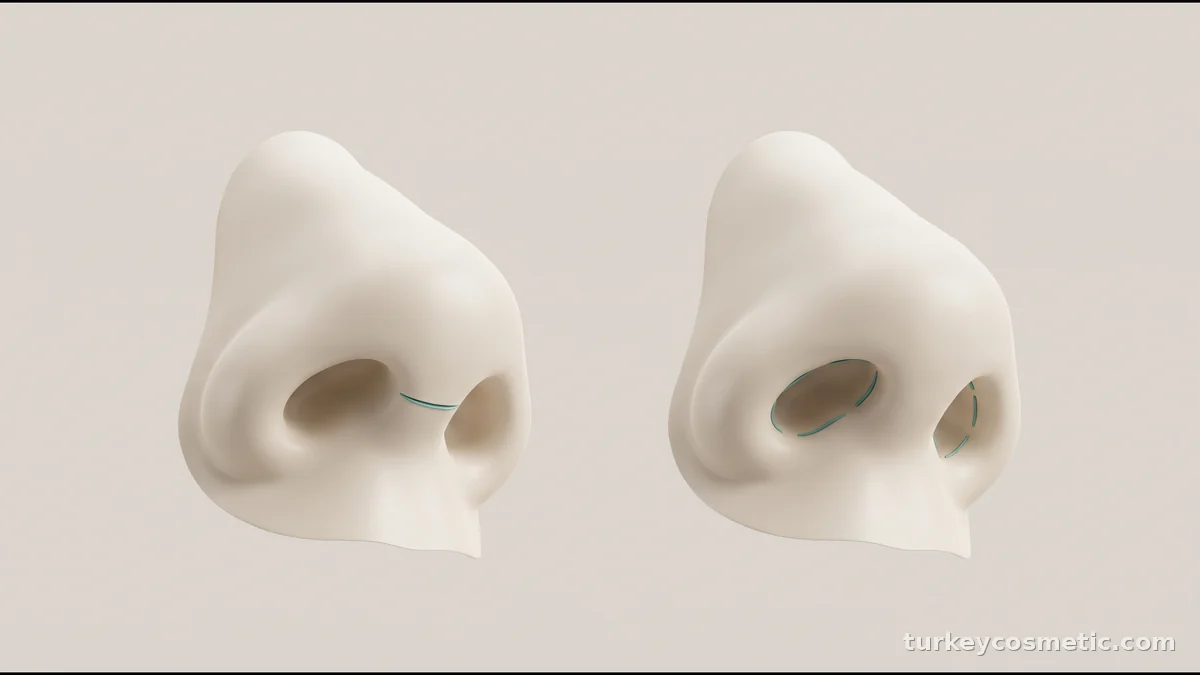
- Reshaping. The surgeon reshapes bone and cartilage through open or closed cuts. Breathing problems are corrected at the same time.
- Closing. Fine stitches close the cuts. A splint is placed on the nose to protect the new shape.
- Recovery room. Nurses monitor you as you wake up, and you spend the night on the ward.
How long do you stay in Turkey for a nose job?
Plan to stay 7 to 10 days for a nose job in Turkey. That gives time for the consultation, the operation, one hospital night and the first week of recovery. Most patients have surgery in Istanbul and spend the week in a hotel near the hospital. The splint and any stitches are removed after about seven days. Your surgeon then checks the nose before you fly home.
A shorter trip is tempting, but it is a false saving. The first week is when bleeding or infection is most likely. Staying close to your surgeon during that week is part of the treatment.

Recovery and aftercare timeline
Recovery after rhinoplasty in Turkey follows the same timeline as anywhere else, and it is gradual. Most people feel well within days, but the nose keeps changing for months. Pain is usually mild and settles with simple painkillers. A blocked nose and bruising under the eyes are more common complaints.
Nose job recovery timeline
What most patients can expect, from the first days to the final result
- DAYS 1–3Swelling peaksSwelling and bruising peak. Rest with your head raised.
- DAY 7Splint offThe splint and stitches come off.
- WEEKS 2–3Desk workBruising fades. Most patients return to desk work.
- WEEKS 4–6Back to the gymAvoid contact sports for longer.
- MONTHS 3–6Swelling settlesMost swelling has gone. The tip settles last.
- MONTH 12Final resultThe result is considered final.
Timings vary from person to person. Follow your own surgeon’s plan.
Good aftercare is simple. Do not blow your nose for the first two weeks. Sleep on your back with your head raised. Avoid smoking, alcohol and the sun in the early weeks. Use only the sprays and creams your surgeon recommends.
Aftercare when you get home
This is the part many patients forget to plan. Your surgeon is a flight away, so plan your recovery at home and arrange your follow-up before you travel. Ask the clinic these questions:
- How do I reach the surgeon after I leave, and how quickly will I get a reply?
- Will you review my photos at one, three, six and twelve months?
- Will I receive a written report of the operation in English?
- Who should I see at home if I have a problem?
Tell your GP or family doctor about your plans. Seek urgent medical help at home if you have heavy bleeding, a fever, severe pain that is getting worse, or calf pain and breathlessness after the flight. Do not wait for a message from abroad.
Is it safe to get a nose job in Turkey?
A nose job in Turkey can be safe when a qualified surgeon operates in a licensed hospital and your aftercare is planned. Rhinoplasty in Turkey is a high-volume specialty, with many skilled nose surgeons and modern hospitals, most of them in Istanbul. Standards vary between clinics, as they do in any country. The risk comes from poor checks, rushed trips and weak follow-up, not from the location.
Risks to know about
Every operation carries risk, and it is better to know the risks before you book. After rhinoplasty, a stiff, numb and blocked nose is common for a few weeks. Light nosebleeds can happen in the first days. Less common problems include:
- heavy bleeding or infection
- lasting difficulty breathing through the nose
- a hole in the septum, called a septal perforation
- a change in your sense of smell
- unevenness, or a shape you are not happy with
- a blood clot in the leg, which is a risk after any surgery and after long flights
What happens if you need a revision?
Some patients need a second, smaller operation to refine the result. A revision should wait about a year, until swelling has fully settled. Before you book, ask what the clinic’s revision policy is. Who pays for the surgery, the hospital and the travel? Get the answer in writing.
How to choose a surgeon: questions to ask before you book
The surgeon matters more than the package. Use this checklist before you pay a deposit:
- Who operates? You should know the surgeon’s name and speak to them before you travel.
- What are their qualifications? Look for a specialist in plastic surgery or in ear, nose and throat surgery, with board certification you can verify.
- How many noses do they operate on? Rhinoplasty should be a main part of their work.
- Where is the operation done? It should be a licensed hospital with an anaesthetist and overnight care.
- Do the results match your taste? Look at many before and after photos of noses like yours. Check that the lighting and angle are the same in both pictures.
- Is the plan written down? The technique, price, inclusions and revision policy should all be on paper.
Be careful with any clinic that pushes you to book today, promises a perfect result, or cannot tell you who will operate. Our team is happy to answer these questions for you. Send us your photos and we will reply with a written plan from the surgeon.
What a nose job package in Turkey includes
Typical inclusions. Ask the clinic to list every item in writing
- ConsultationPlanning with the surgeon who will operate
- TestsBlood tests and an anaesthetic check
- OperationSurgery and one night in hospital
- HotelFive to seven hotel nights
- TransfersAirport, hotel and hospital
- AftercareMedication, splint removal and a final check before you fly
Flights, travel insurance and extra nights are usually not included. Ask for a personal written quote.
Nose Job Turkey FAQ
How much is a nose job in Turkey in pounds?
In pounds, the nose job cost in Turkey is about £1,800 to £5,200 for most packages. The price usually includes the surgery, one hospital night, hotel and transfers. Flights are extra. Ask for a personal quote in pounds, in writing.
When can I fly home after rhinoplasty?
Most surgeons ask you to stay about a week, until the splint is removed and the nose has been checked. Some prefer two weeks, mainly when the nasal bones were reshaped. Cabin pressure and dry air can raise the risk of a nosebleed, so do not fly earlier than advised. On the flight, drink water and walk the aisle to lower the risk of a clot.
Does rhinoplasty hurt?
Most patients describe pressure and a blocked nose more than pain. Discomfort is usually mild and settles with simple painkillers. Swelling and bruising around the eyes are the most visible effects in the first days of recovery.
Will I have a visible scar?
Closed rhinoplasty leaves no visible scar, because the cuts are inside the nostrils. Open rhinoplasty leaves a small scar under the nose. It usually fades to a fine line within a few months.
Can a nose job fix breathing problems?
Yes. A deviated septum or enlarged turbinates, the small ridges inside the nose that warm the air, can be treated in the same operation. Straightening the septum is called septoplasty. Tell your surgeon about any breathing trouble at the consultation.
When can I wear glasses again?
Glasses should not rest on the bridge while the bones heal. Many surgeons advise about six weeks. Contact lenses, or taping your glasses to your forehead, are common short-term fixes.
Does travel insurance cover surgery abroad?
Standard travel insurance usually does not cover planned surgery or its complications. Specialist medical travel policies exist. Read the terms carefully before you book your flights.
Is a Turkish nose job a different operation?
No. Some people use "Turkish nose job" to mean a small, lifted nose, but that is a style, not a technique. Surgeons who offer rhinoplasty in Turkey perform every type of nose surgery, including natural results that suit your face.
Send three photos. A surgeon replies with a plan and a price.
Chat on WhatsApp